Vietnamese Mental Health:
Stigma, Trauma, and Getting Care in Virginia
There is a Vietnamese saying, "Dong cua bao nhau", which translates roughly as "closed doors protect each other." It captures something real about how Vietnamese families have historically handled hardship: by turning inward, keeping struggles private, and relying on the strength of the family unit rather than the outside world. For generations of people who survived war, displacement, and starting over with nothing, that instinct made sense. It kept families intact.
But when it comes to mental health, that same closed door can become a barrier to care that carries a very real cost.
Vietnamese Americans are one of the fastest-growing communities in the United States, with a history shaped by the Vietnam War, the fall of Saigon, the harrowing journeys of the "boat people," and decades of rebuilding in a country that was not always welcoming. That history is a story of remarkable resilience. It is also a story of accumulated trauma that has never fully been addressed, and a community that remains significantly underserved when it comes to mental health care.
Alice Tran Psychiatric Care provides psychiatric care in English and Vietnamese, in person in Fairfax and by telehealth across Virginia, including communities in Northern Virginia with large Vietnamese populations such as Annandale, Falls Church, and Fairfax. This article is written for anyone in or connected to the Vietnamese community who has wondered why mental health is so rarely talked about, and what it would take to change that.
The short answer
Vietnamese Americans carry high rates of depression, anxiety, and trauma but seek care at very low rates, because of stigma, distress felt as physical symptoms, trust placed in family doctors rather than mental health providers, and a shortage of Vietnamese-language services. Care that is delivered in Vietnamese and respects family values works, and it is available in Northern Virginia.
A History Written in Trauma
To understand mental health in the Vietnamese American community, you have to start with history. The fall of Saigon in 1975 set off one of the largest refugee crises of the twentieth century. Hundreds of thousands of Vietnamese fled by boat, facing drowning, pirates, and starvation at sea. Many spent years in refugee camps in Southeast Asia before being resettled in the United States. Others came through later waves of migration, some with family members who had spent years in "re-education camps" under the new government.
This is what researchers call pre-migration trauma: the exposure to violence, loss, persecution, and life-threatening conditions before a person ever sets foot in their new country. But the trauma did not stop at the border. Post-migration trauma compounds it: navigating an unfamiliar country, experiencing discrimination, losing social status, struggling with language barriers, and grieving everything left behind.
A landmark 14-year Australian study of Vietnamese refugees demonstrated a clear dose-response relationship between trauma exposure and mental illness. The more traumatic events a person had experienced, the higher their risk of depression, anxiety, and post-traumatic stress disorder, and those risks persisted across many years of resettlement. For voluntary Vietnamese immigrants who came after the refugee crisis, racial discrimination emerged as its own significant driver of psychological distress.
The effects of this history are not abstract. They live in people's bodies, relationships, and in the patterns passed down to children who never lived through the war themselves.
The Weight Passed Down: Intergenerational Trauma
Research on Vietnamese refugee families has documented how a parent's unresolved trauma reshapes the family system for the next generation. Maternal traumatic distress is directly linked to diminished family functioning, affecting the emotional availability of parents and the quality of parent-child relationships.
Adult children of Vietnamese boat refugees describe a particular set of experiences: growing up under extremely high expectations for academic and professional achievement, exposure to harsh parenting practices, and a process called "adultification," in which children are treated as responsible for adult concerns far earlier than is developmentally appropriate. This might look like a child managing household finances, serving as a language interpreter for parents, or absorbing a parent's anxiety and grief without anyone naming what was happening.
None of this means that Vietnamese parents did not love their children, or that they intended harm. Many were doing the only thing they knew how to do given what they had survived. But the transmission of trauma across generations is well-documented, and understanding it is one of the first steps toward breaking the cycle.
The research also points to a hopeful finding: recovery is possible. Adults who were able to make meaning of their parents' experiences, to reframe their relationship with the past, and to grieve what was lost without blame showed significantly better mental health outcomes. This is not easy work. But it is available, and it is worth doing.
Why Vietnamese Communities Don't Seek Help
Even when distress is significant, Vietnamese Americans seek mental health care at very low rates. The reasons are layered and well-documented.
Stigma Runs Deep
In Vietnamese culture, mental illness has long been associated with shame, weakness, and moral failing. Seeking psychiatric care can feel like an admission that something is fundamentally wrong with you, or worse, with your family. This stigma is not uniform across generations: younger Vietnamese Americans who grew up in the United States often have different attitudes than their parents or grandparents. But even in second- and third-generation communities, the weight of family expectation and cultural identity makes it hard to take a step that might be seen as bringing shame.
Mental Health Is Not Always Recognized as Such
Across many Asian cultures, including Vietnamese culture, psychological distress is frequently expressed through physical symptoms rather than emotional ones. This is known as somatization. A person experiencing depression may not say "I feel sad and hopeless." They may say they have persistent headaches, chronic fatigue, stomach pain that doctors cannot explain, or a vague sense of being unwell. When someone presents with these symptoms, the conversation rarely turns to mental health, and so treatment is never sought.
Family Doctors Are Trusted; Mental Health Providers Are Not
Research on Vietnamese American help-seeking shows that while 78% of respondents said they would consider seeking professional help for a mental health problem, 54% would go only to a family doctor, and 82% said they would prefer to turn to family or friends first. Primary care physicians are trusted because they treat the body, which is more culturally acceptable than treating the mind. Mental health providers are often seen as strangers who ask intrusive questions about things that should stay private.
Language Is a Massive Barrier
Vietnamese is one of the most widely spoken non-English languages in the United States, particularly in Northern Virginia. Yet mental health services available in Vietnamese remain extremely limited. For individuals with limited English proficiency, this is not just inconvenient: it is a concrete structural barrier that prevents access to care entirely. Even for those who are bilingual, there is a significant difference between describing emotional suffering in a second language and doing so in the language in which your feelings actually live.
The Concept of Mental Illness Itself May Be Narrower
In some Vietnamese cultural frameworks, "mental illness" refers specifically to severe conditions such as psychosis, not to depression, anxiety, or trauma. Emotional suffering is often understood as a normal part of life, as something spiritual, or as something a person of strong character simply endures. The idea that a provider could help with these experiences, rather than medication being for "crazy people," is genuinely foreign to many in the community.
Older Vietnamese Adults: A Particularly Vulnerable Group
Research consistently identifies older Vietnamese adults as one of the most psychologically vulnerable subgroups in the Vietnamese American community. More than 20% of older Vietnamese adults report clinically significant depressive symptoms. Rates of social isolation are among the highest of any Asian American subgroup: 36% report being isolated from friends, and 33% report overall social isolation.
The risk factors compound each other. Poverty, poor physical health, functional limitations, and exposure to domestic violence all increase the likelihood of depression and anxiety in this population. For many older Vietnamese adults, the traumas of war and displacement were never processed, only survived. The demands of raising a family, working, and rebuilding a life kept those experiences suppressed. As life slows down in older age, old wounds often reactivate, sometimes with devastating force, and there is often no system in place to recognize or respond to what is happening.
What Needs to Change
Understanding the barriers is the first step. Dismantling them requires deliberate effort at every level, from individual practitioners to community organizations to the healthcare system as a whole.
Culturally Adapted Therapy Works
There is now solid evidence that culturally adapted mental health treatments produce better outcomes for Vietnamese and other Asian American patients than standard Western approaches delivered without cultural context. This includes cognitive behavioral therapy adapted with mindfulness elements, somatic-focused emotion regulation that acknowledges how trauma lives in the body, and applied stretching techniques that bridge physical and emotional healing.
Approaches that frame treatment in terms of functioning, productivity, and family wellness, rather than purely individual emotional well-being, are more consistent with Vietnamese cultural values and more likely to be accepted.
Start with the Family Doctor
Given that Vietnamese Americans are far more likely to trust their primary care provider than a mental health specialist, the family doctor's office is a critical bridge. Primary care providers who screen for depression and anxiety, normalize the connection between physical and mental health, and provide warm referrals to culturally informed psychiatric care can change the trajectory for patients who would never have walked into a mental health clinic on their own.
Expand Vietnamese-Language Services
The shortage of Vietnamese-speaking mental health providers in Virginia is not a neutral fact. It is a structural inequity with real consequences for a large and underserved community. Expanding telehealth access makes it possible for Vietnamese-speaking providers to serve patients across the state, not just in the zip codes where they happen to be located. This is one of the most direct ways to reduce the care gap.
Normalize the Conversation
Stigma changes when people talk. Community education delivered through Vietnamese-language media, community organizations, and faith communities can shift the cultural narrative around mental health in ways that individual providers cannot do alone. Hearing a respected community figure speak openly about depression or anxiety, in Vietnamese, without shame, can have more impact than a dozen brochures in a clinic waiting room.
Leverage the Power of the First Experience
Research shows that Vietnamese Americans who have a positive first experience with mental health care are three times more likely to seek services again. The first appointment is therefore not just a clinical encounter: it is a pivot point. A provider who is unhurried, culturally informed, linguistically accessible, and genuinely respectful can change someone's relationship with mental health care for the rest of their life.
Address Intergenerational Dynamics
Family-based approaches that honor Vietnamese values of filial piety and collective well-being, rather than treating mental health as purely an individual concern, are more likely to engage patients who feel conflicted about seeking care for themselves. Treatment that acknowledges the family system and works within it, rather than around it, is both more culturally appropriate and more effective.
Finding Vietnamese-Speaking Psychiatric Care in Virginia
For readers in Virginia, the practical question is where to start. A few things are worth checking before the first visit.
- The provider speaks Vietnamese. Describing emotional suffering in the language your feelings live in changes what can be said. Alice Tran conducts visits in Vietnamese, English, or both.
- In person or by video. The Fairfax office is a short drive from Annandale and Falls Church. Secure video visits reach the rest of Virginia, which matters for families outside Northern Virginia.
- Time to be understood. The initial evaluation is 60 minutes, and a full picture sometimes takes two or three visits. That pace suits people who have never talked about these things before.
- No referral needed, and most major insurance plans are accepted. Details are on the rates and insurance page.
- Help for a parent or elder. Adult children often make the first call. Two guides walk through that conversation: helping a Vietnamese parent with depression and depression in Vietnamese elders.
Frequently Asked Questions
Is depression common in Vietnamese Americans?
Yes. Studies of Vietnamese refugees show a clear dose-response relationship between trauma exposure and later depression, anxiety, and PTSD, and more than 20% of older Vietnamese adults report clinically significant depressive symptoms. Rates of treatment remain low, so the true burden is likely higher than the numbers show.
Why do Vietnamese families avoid talking about mental health?
Several reasons overlap: stigma that ties mental illness to shame and weakness, a cultural habit of handling hardship privately within the family, distress that is felt as physical symptoms rather than emotions, a narrow idea of what counts as mental illness, and very few services available in Vietnamese. Younger generations often feel differently, but family expectations still weigh heavily.
Is there a Vietnamese-speaking psychiatric provider in Northern Virginia?
Yes. Alice Tran, PMHNP-BC, is a board-certified psychiatric mental health nurse practitioner who conducts evaluations, medication management, and follow-up visits in Vietnamese, English, or both. Visits are in person at the Fairfax office, a short drive from Annandale and Falls Church, or by secure video anywhere in Virginia.
Does the first appointment have to be in person?
No. The initial evaluation is 60 minutes and can be done in person in Fairfax or by secure video. Understanding a person fully sometimes takes two or three visits, and there is no pressure to share everything at once. A referral is not required, and most major insurance plans are accepted.
Bottom Line
Resilience is woven into Vietnamese history. The communities that survived war, fled by boat, rebuilt in a foreign country, and raised children who thrived represent one of the most extraordinary stories of human endurance in the modern era. That resilience is real, and it deserves to be honored.
But resilience is not the same as invulnerability. And the ability to endure suffering is not the same as having to endure it alone.
Mental health is not a Western concept. It is a human reality. Depression, anxiety, trauma, grief, and the invisible weight of intergenerational pain do not respect cultural boundaries. They show up in Vietnamese families just as they show up everywhere, often just in different clothing.
The bravest thing is not to suffer in silence because that is what the family expects. The bravest thing is to reach out, to name what is happening, and to accept that healing is possible and that you deserve it.
If you are in crisis or need immediate support, the 988 Suicide and Crisis Lifeline is available 24/7 by calling or texting 988. Additional resources include the Vietnamese American Mental Health Alliance and local Asian community health centers serving Northern Virginia communities in Annandale, Falls Church, and Fairfax.
Alice Tran is a Vietnamese-speaking PMHNP providing psychiatric care in English and Vietnamese, in person in Fairfax and by telehealth across Virginia. If cultural stigma or language has been a barrier, this practice was built for you. Book a consultation or reach out in English or Vietnamese.
See also: Vietnamese Psychiatric Care in Virginia · The Cultural Care Gap · Cultural Identity and Mental Health · Identity and Belonging · Generational Trauma in Asian American Families · The Word ‘Điên’ and Vietnamese Stigma · War Trauma and PTSD
Sources
- U.S. Department of Health and Human Services, Office of Minority Health: Mental and Behavioral Health, Asian Americans. minorityhealth.hhs.gov
- National Alliance on Mental Illness: Asian American and Pacific Islander Communities. www.nami.org
- National Institute of Mental Health: Depression. www.nimh.nih.gov
Medical Disclaimer
The information in this article is for educational purposes only and does not constitute medical advice. Only a licensed professional can accurately diagnose and treat psychiatric conditions.
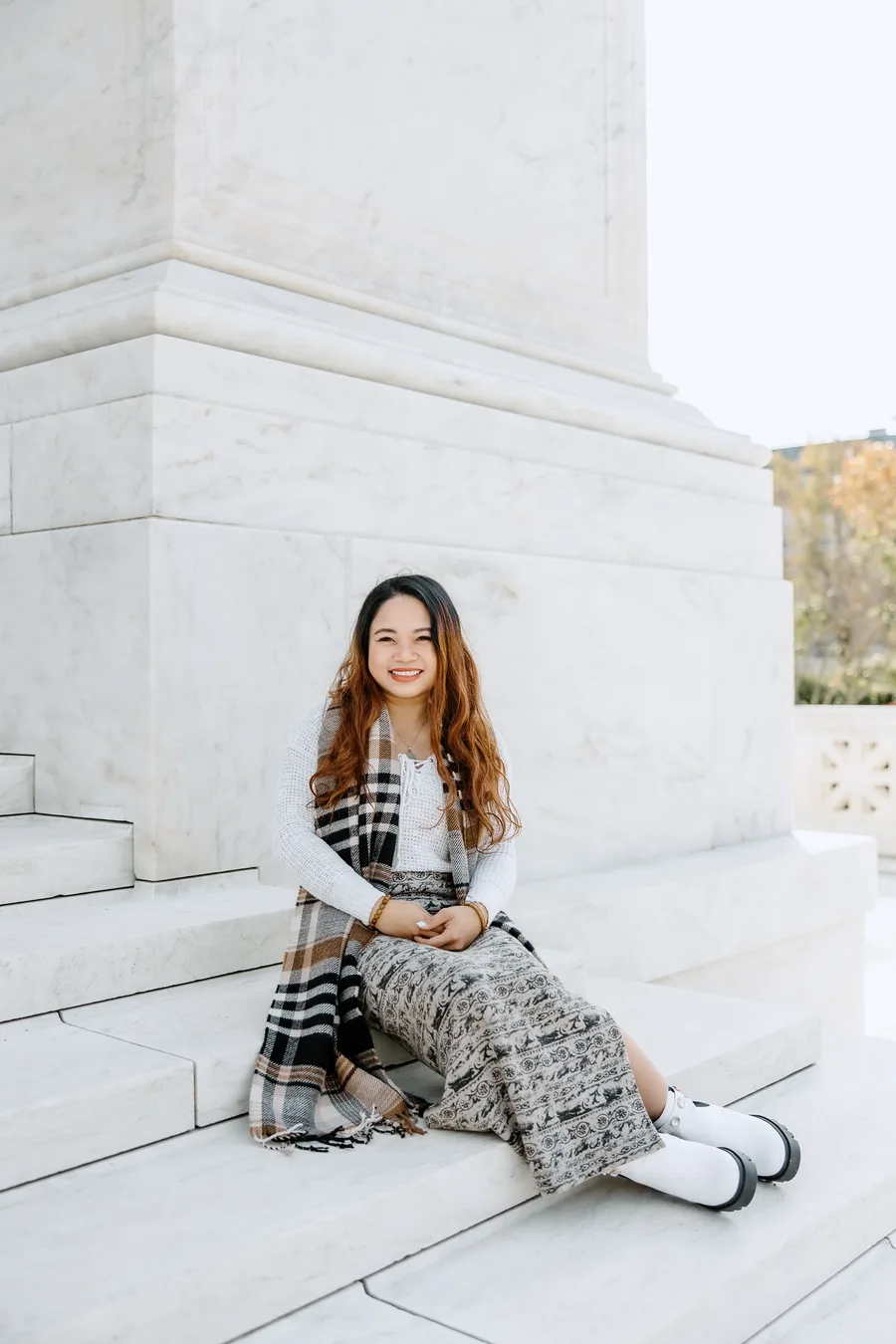
Anh Tran (Alice), PMHNP-BC, FNP-BC
Dual Board-Certified Family and Psychiatric Nurse Practitioner
Alice is a dual board-certified PMHNP and FNP licensed in Virginia, trained under psychiatrist Dr. Errol Segall, MD (50+ years of experience). She treats ADHD, anxiety, depression, and more, in person in Fairfax and via telehealth across Virginia, in English and Vietnamese. She founded Alice Tran Psychiatric Care in Fairfax, where the practice sees adults in person and by video across Virginia. Learn more →